Address
304 North Cardinal St.
Dorchester Center, MA 02124
Work Hours
Monday to Friday: 7AM - 7PM
Weekend: 10AM - 5PM

 ByAmarke
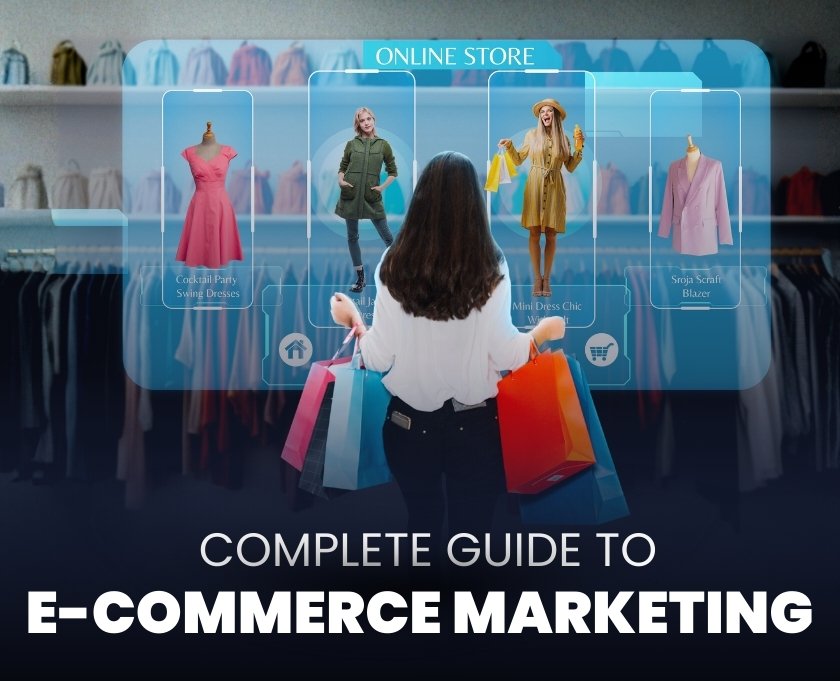
E-commerce marketing has become the backbone of online business success. With increasing competition, rising customer expectations, and rapidly evolving digital platforms, brands can no longer rely on basic promotions alone. A strong e-commerce marketing strategy not only drives traffic but also converts visitors into loyal customers. This complete guide explores the most effective e-commerce marketing strategies that help businesses grow sales, build trust, and scale sustainably.
E-commerce marketing refers to the process of promoting products or services sold online using digital channels. It focuses on attracting potential customers, guiding them through the buying journey, and encouraging repeat purchases. From search engines and social media to email and performance ads, e-commerce marketing connects brands with shoppers at every stage of decision-making.
A successful e-commerce marketing approach blends visibility, engagement, and conversion optimization to maximize revenue while improving customer experience.
With more consumers shopping online than ever before, e-commerce marketing plays a critical role in standing out in a crowded marketplace. Customers have endless choices, and brands must actively communicate value, credibility, and convenience to earn attention.
Effective e-commerce marketing helps businesses build brand awareness, increase website traffic, improve conversion rates, and retain customers long-term. It also provides measurable data, allowing brands to refine strategies based on real-time performance insights.
Search engine optimization is one of the most powerful drivers of organic traffic for e-commerce businesses. Optimizing product pages, category pages, and blog content helps your website rank higher on search engines and attract users who are actively searching for products.
SEO for e-commerce involves keyword research, optimized product titles and descriptions, fast-loading pages, mobile responsiveness, and structured data. When done correctly, SEO delivers consistent traffic and sales without ongoing ad spend.
Content marketing plays a vital role in educating customers and influencing purchase decisions. Blogs, buying guides, comparison articles, and how-to content help shoppers understand products better while positioning your brand as an authority.
High-quality content also supports SEO efforts and keeps users engaged on your website for longer periods. By addressing customer pain points and answering common questions, content marketing builds trust and reduces hesitation during checkout.
Social media platforms have become essential sales channels for e-commerce brands. They allow businesses to showcase products visually, engage directly with customers, and build a loyal community.
Platforms like Instagram, Facebook, and Pinterest are especially effective for product discovery. Consistent posting, engaging reels, influencer collaborations, and user-generated content help drive traffic to product pages and improve brand recall.
Paid advertising is one of the fastest ways to generate traffic and sales for e-commerce stores. Platforms like Google Ads and Meta Ads allow businesses to target users based on search intent, interests, and shopping behavior.
Well-optimized ads with compelling creatives, clear messaging, and strong call-to-action buttons can significantly boost conversions. Retargeting ads also help bring back users who visited your website but did not complete a purchase.
Email marketing remains one of the highest ROI channels in e-commerce marketing. It allows brands to nurture relationships, promote offers, and encourage repeat purchases.
Abandoned cart emails, order confirmation emails, product recommendations, and seasonal campaigns help keep customers engaged. Personalized emails based on user behavior increase open rates and drive higher conversions.
Driving traffic alone is not enough if visitors do not convert into customers. Conversion rate optimization focuses on improving website elements that influence buying decisions.
Clear product images, detailed descriptions, customer reviews, easy navigation, fast checkout, and multiple payment options all contribute to higher conversion rates. Even small improvements in user experience can lead to significant increases in sales.
Influencer and affiliate marketing help e-commerce brands reach new audiences through trusted voices. Collaborating with creators who align with your brand increases credibility and social proof.
Affiliate partnerships also allow brands to pay commissions only when sales occur, making it a cost-effective growth strategy. When combined with tracking and performance analysis, these partnerships can generate consistent revenue.
Data plays a crucial role in optimizing e-commerce marketing strategies. Tools like Google Analytics, Search Console, and ad platform dashboards help businesses understand customer behavior, traffic sources, and conversion paths.
By analyzing data regularly, brands can identify what works, eliminate underperforming strategies, and invest more in high-converting channels. Data-driven decisions lead to smarter marketing and sustainable growth.
E-commerce marketing is not about using every strategy at once but about choosing the right mix based on business goals and audience behavior. A balanced approach that combines SEO, content marketing, social media, paid ads, and retention strategies delivers the best results.
By focusing on customer experience, consistent optimization, and long-term value creation, e-commerce brands can drive sales, build loyalty, and achieve lasting success in a competitive digital marketplace.